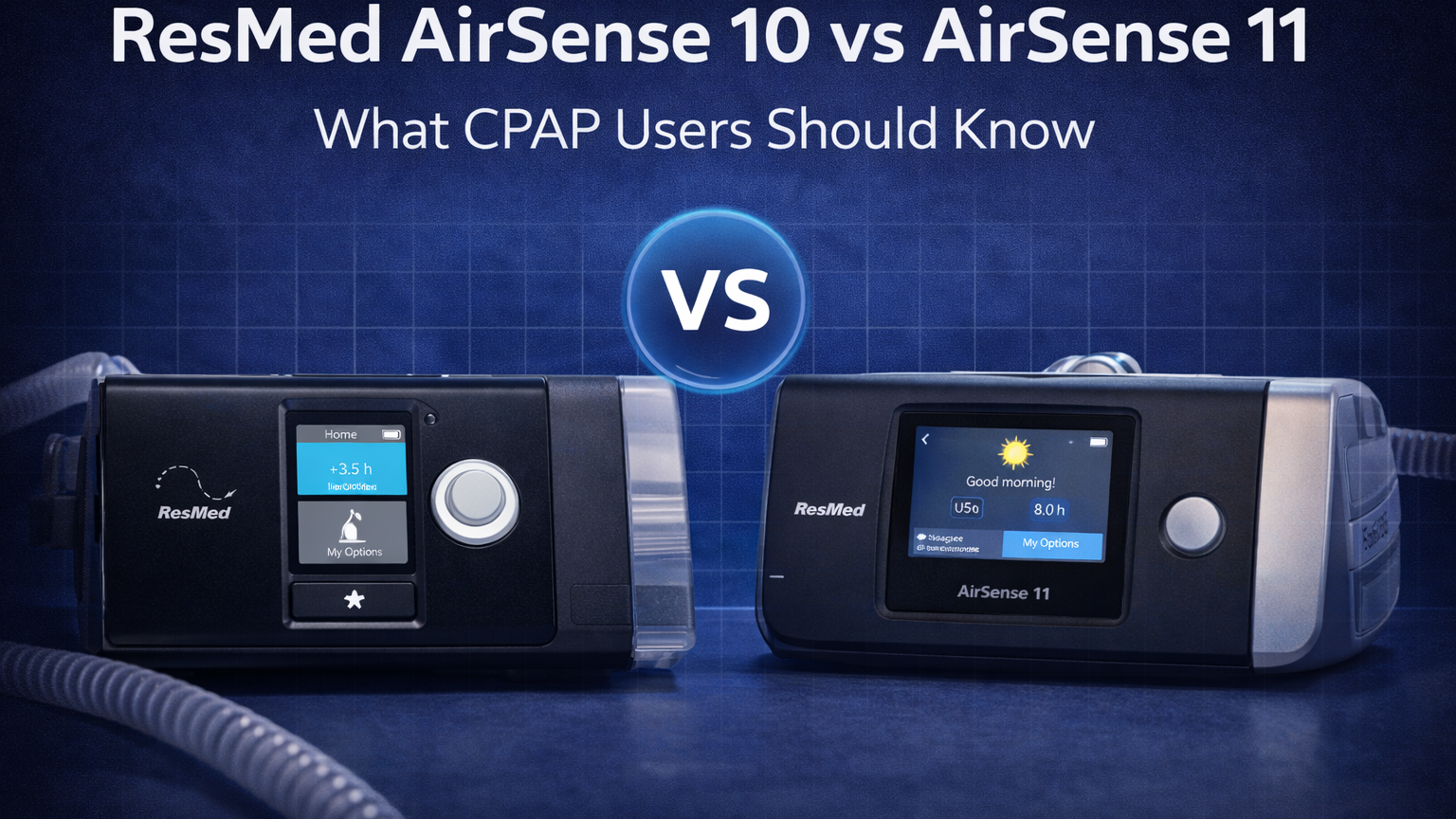
If you’re comparing a Löwenstein Prisma CPAP device with a ResMed machine, you’re likely trying to answer a very practical question:
How do these devices differ in day-to-day use, and which one is likely to suit me better?
Both brands are widely used and capable of delivering effective CPAP therapy. Where they tend to differ is not in treatment goals, but in design approach, feature emphasis, and overall user experience. These differences can influence comfort, adaptability, and how confident you feel using the device night after night.
This article focuses on features and user experience, rather than technical specifications or medical performance, to help you understand how these devices are commonly perceived in real-world use.
How the Devices Are Often Described to Feel During Use
While all CPAP machines are designed to support breathing during sleep, users sometimes describe differences in how devices feel during the night.
Commonly reported experiences include:
- Some devices feeling more noticeable as they operate
- Others tending to feel less intrusive during sleep
These descriptions are based on user feedback and everyday experience, not on proprietary technology or internal design details. Individual experience can vary significantly.
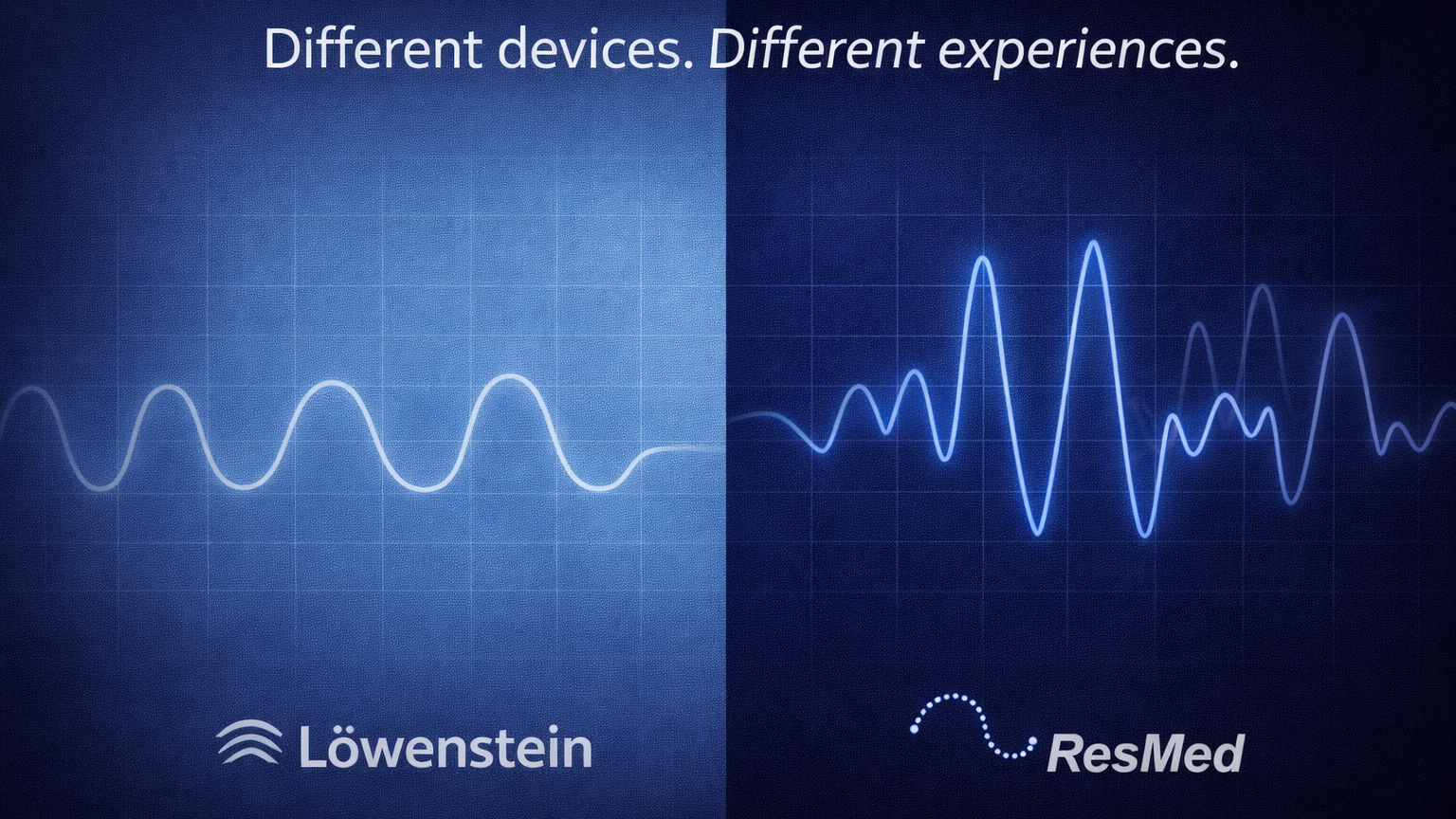
How Pressure Changes Are Commonly Experienced
Many CPAP users don’t think in terms of settings or algorithms. Instead, they describe how pressure adjustments feel while sleeping.
ResMed (as commonly described by users):
- Pressure changes may feel more noticeable to some individuals
- Adjustments can feel more immediate
- Often described as responsive or interactive
Löwenstein Prisma (as commonly described by users):
- Pressure changes are often perceived as smoother
- Fewer noticeable transitions during sleep
- Often described as steady or gentle
These are subjective impressions, not guarantees. Sensitivity to pressure changes varies widely from person to person.
Comfort and Night-to-Night Experience
Comfort is highly personal, but it plays a major role in long-term CPAP use.
Users often report that:
- Some machines make their presence more noticeable during sleep
- Others tend to fade into the background
Neither experience is inherently better. The most important factor is whether the device supports uninterrupted, comfortable sleep for you.
Form Factor and Physical Design
ResMed devices are often described as:
- Compact and modern in appearance
- Offering touchscreen or dial-based interfaces (model dependent)
- Closely integrated with companion apps
Löwenstein Prisma devices are often described as:
- More traditional and functional in design
- Featuring physical buttons and on-device controls
- Emphasizing simplicity and durability
Preferences here are largely personal. Some users value modern aesthetics and app connectivity, while others prefer tactile controls and straightforward operation.
User Interface and Daily Interaction
ResMed
- App-centered experience (myAir)
- Guided onboarding and simplified summaries
- Encourages regular engagement through feedback
Löwenstein Prisma
- More device-centric interaction
- Less emphasis on coaching or guidance
- Often preferred by users who want more autonomy
This difference is sometimes described as a guided experience versus a more hands-on approach.
Noise and Environmental Presence
In typical home use:
- Both brands are generally considered quiet
- Any differences are usually subtle rather than dramatic
Some users report that smoother-feeling operation can seem quieter to light sleepers, even when measured noise levels are similar. Perception plays a large role here.
Which Device May Suit You Better
Rather than choosing based on specifications alone, many users find it helpful to think about sleep sensitivity and personal preference.
You may prefer a ResMed device if you:
- Like clear feedback and guidance
- Prefer a modern, connected experience
- Don’t mind being aware of adjustments during sleep
You may prefer a Löwenstein Prisma device if you:
- Are sensitive to changes during sleep
- Prefer a calmer, less noticeable experience
- Value simplicity and predictability
There is no universal “best” choice—only what works best for your sleep.
The Device Matters — But Understanding It Matters More
Both Löwenstein Prisma and ResMed devices are widely used and capable of supporting effective CPAP therapy.
The key difference lies in how users experience them, and how well that experience aligns with individual sleep style, sensitivity, and expectations.
SleepLink helps CPAP users understand how their device behaves over time by focusing on patterns, comfort, and trends—regardless of brand—so decisions are based on insight rather than guesswork.
The Takeaway
Choosing between Löwenstein Prisma and ResMed isn’t about which machine is “better.” It’s about which approach and experience fits you best.
When a CPAP device aligns with how you sleep, therapy feels less like a struggle—and more like support.
👉 Visit https://sleeplink.app to explore your therapy patterns and gain clarity, no matter which CPAP brand you use.
Editorial note: The descriptions in this article reflect commonly reported user experiences and general usage impressions. Individual experience may vary. This content does not describe proprietary technology, internal algorithms, or make medical or performance claims.