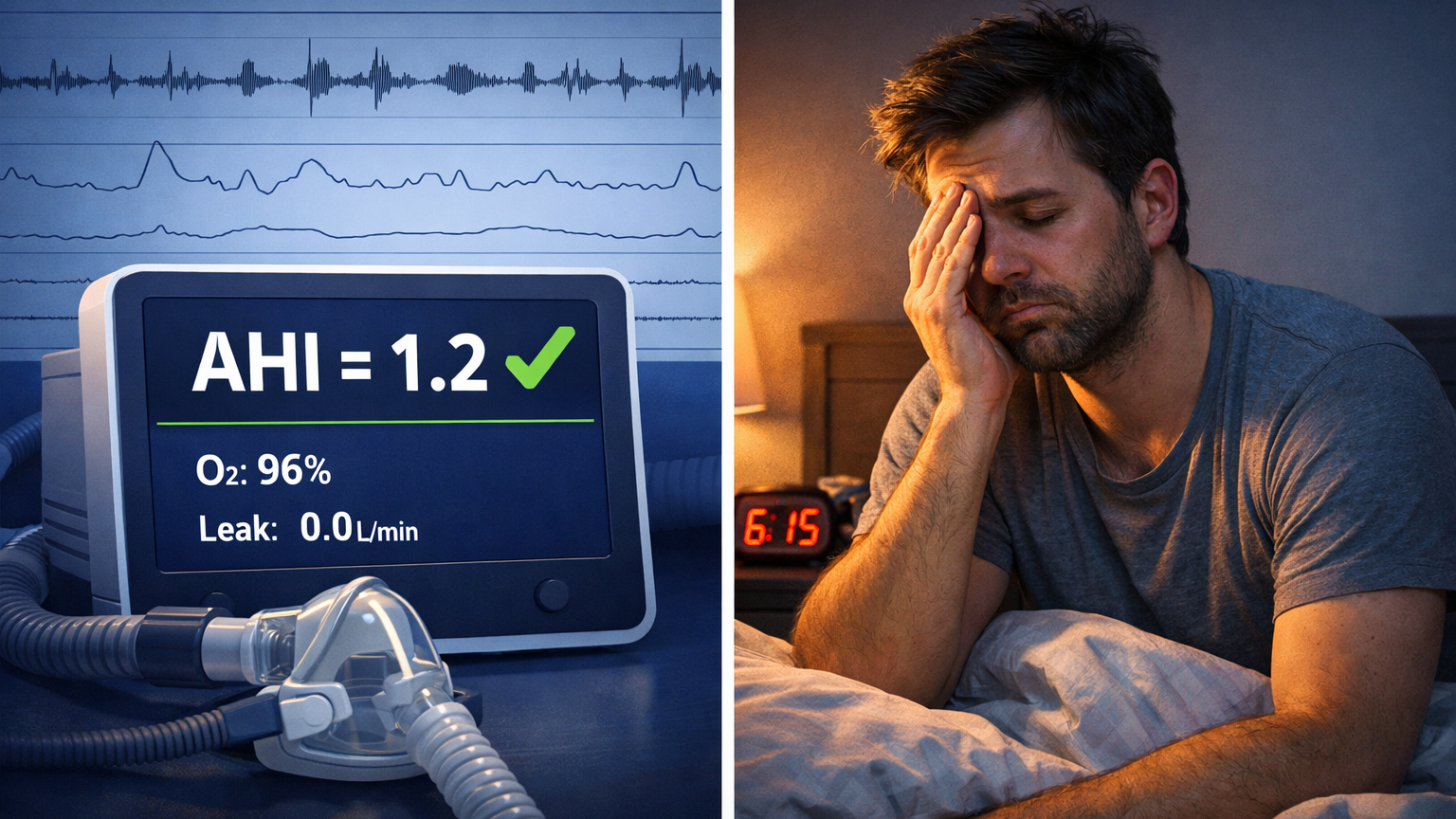
Why AHI Is Not the Whole Story for CPAP Therapy
A low AHI doesn’t always mean good sleep. Learn why CPAP users can still feel exhausted despite “perfect” numbers and which hidden metrics truly matter for restorative sleep.
SleepLink AdminInsights, tips, and guides to help you understand your CPAP therapy and improve your sleep health.
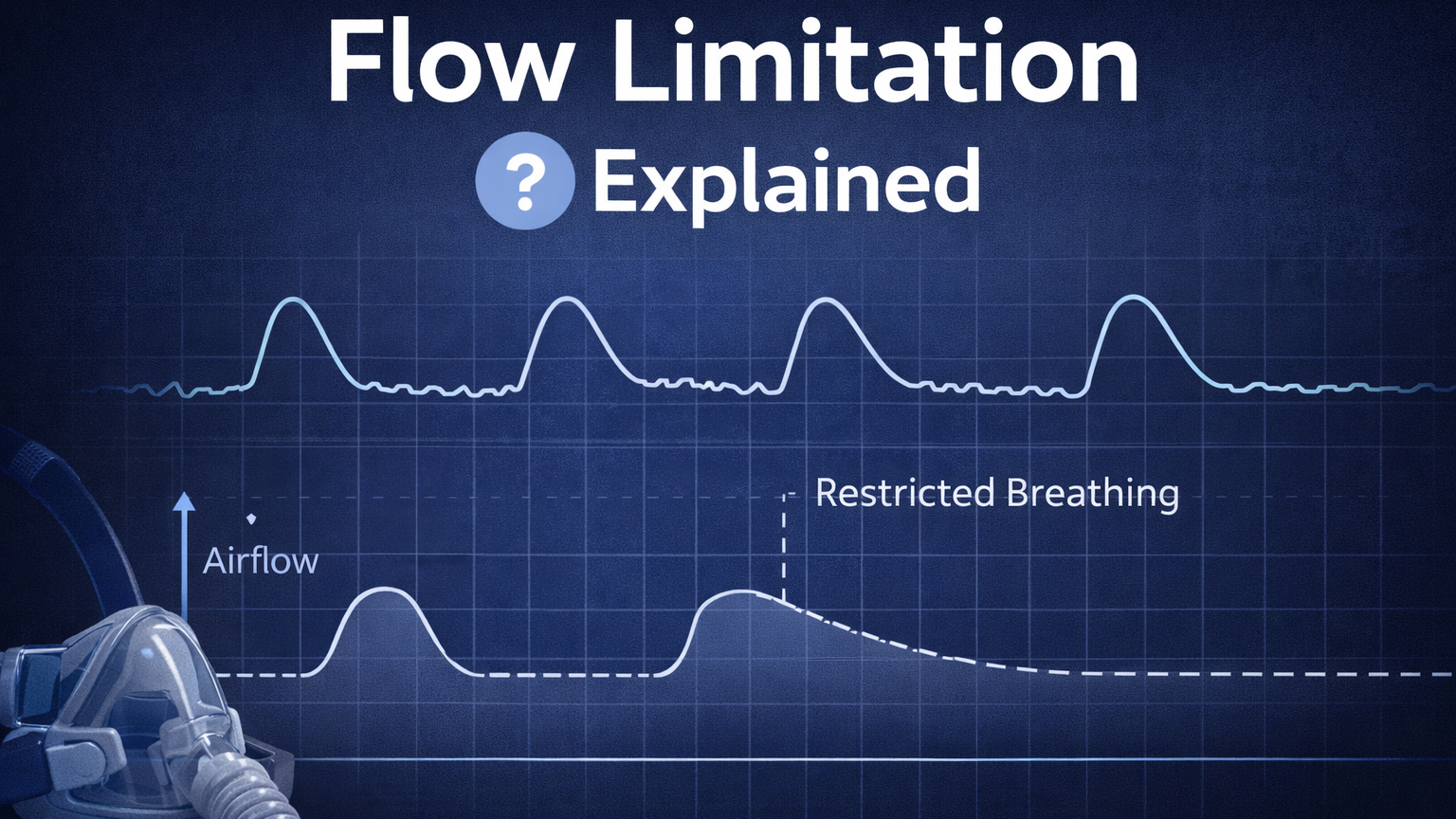
A low AHI doesn’t always mean good sleep. Learn why CPAP users can still feel exhausted despite “perfect” numbers and which hidden metrics truly matter for restorative sleep.
SleepLink Admin
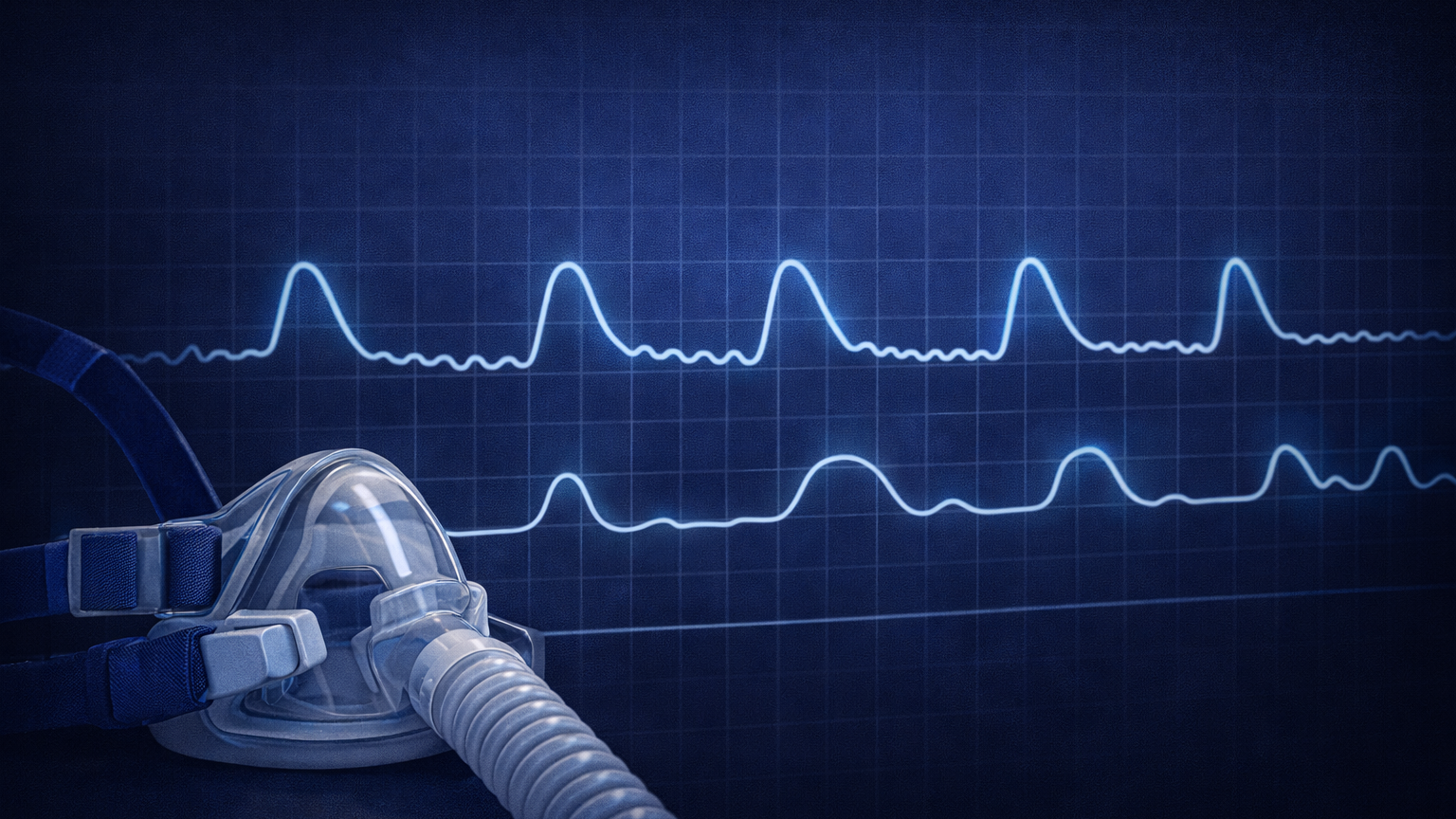
Flow limitation can disrupt sleep even when AHI looks perfect. Learn what it is, how it appears in CPAP data, and why it plays a major role in how rested you actually feel.
SleepLink Admin
Healthy CPAP therapy isn’t just about avoiding apneas. Learn what stable, restorative breathing looks like on CPAP—and how to recognize it in your data.
SleepLink Admin
Snoring can still occur on CPAP even with a low AHI. Learn why it happens, what it often indicates about your airway, and how to interpret it in your CPAP data.
SleepLink Admin
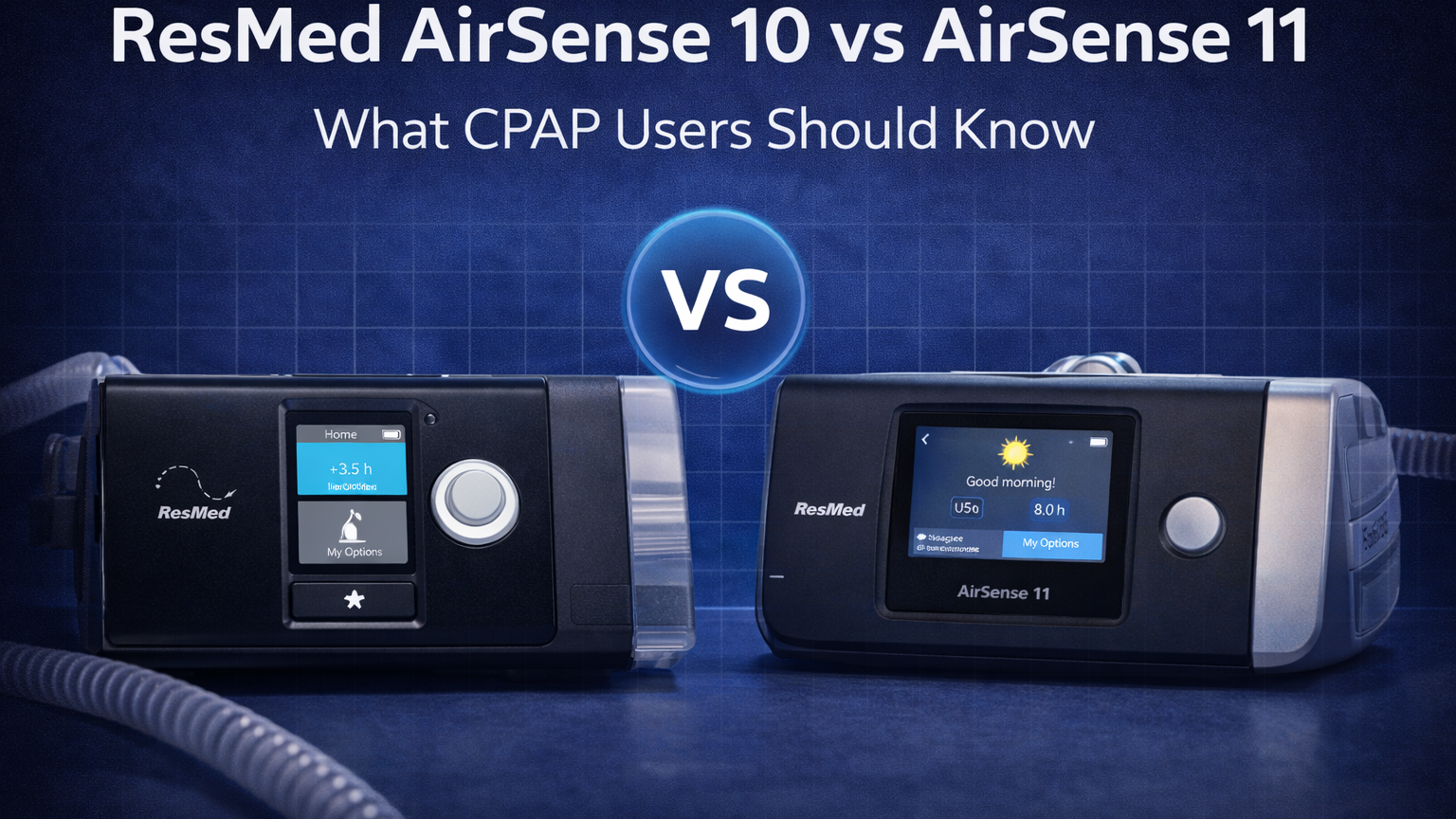
ResMed AirSense 10 and AirSense 11 look similar on paper, but key differences affect usability, data access, and daily CPAP experience. Here’s what users should really know.
Chris Walker
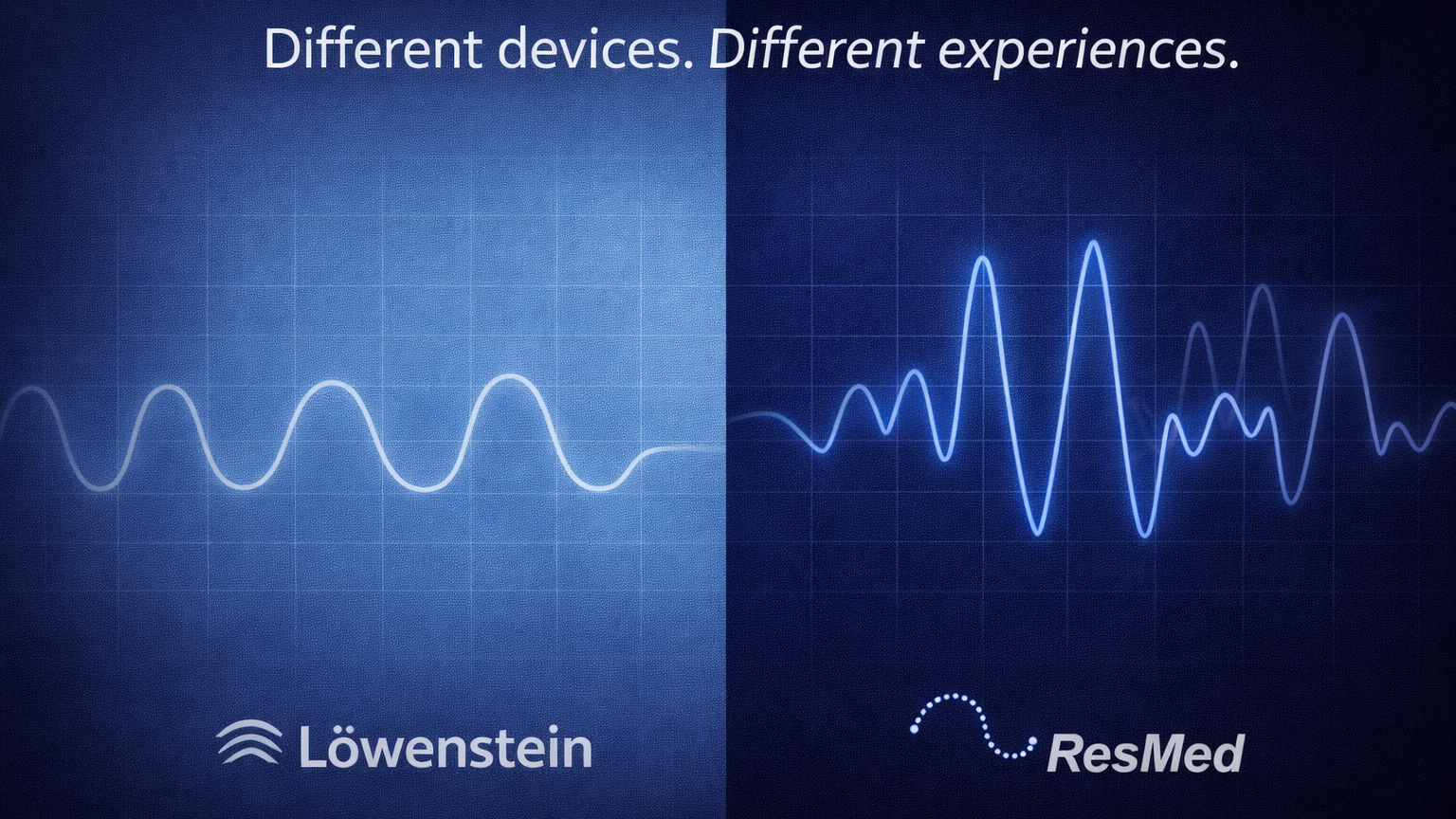
Löwenstein Prisma and ResMed CPAP devices both deliver effective therapy, but differ in algorithms, pressure behavior, design, and overall user experience. Here’s how those differences matter in real life.
Chris Walker
CPAP therapy can reduce apneas quickly, but mental clarity often returns more slowly. Learn why brain fog doesn’t always resolve immediately and what factors influence recovery.
SleepLink Admin
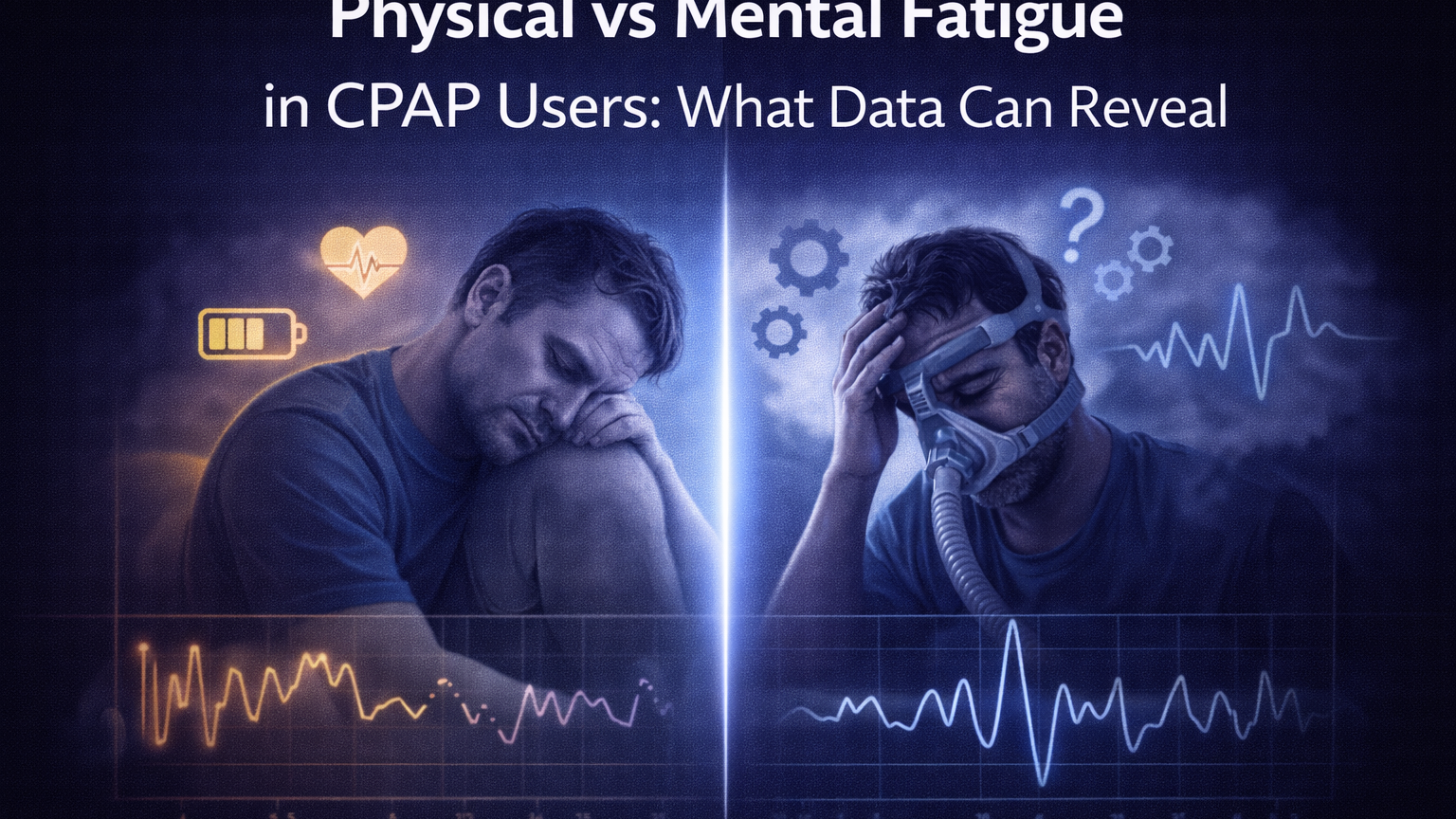
Not all fatigue feels the same. Learn how physical and mental fatigue differ in CPAP users and how sleep and breathing data can help explain what you’re experiencing.
SleepLink Admin